4 hours ago
Katseye's Lara Raj Opens Up About Her Sexual Orientation on Weverse, Calling Herself "Half a Fruitcake"
READ TIME: 3 MIN.
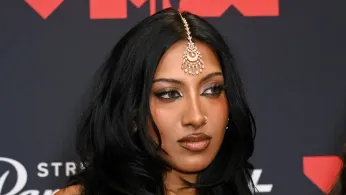
Lara Raj, the 20-year-old Indian-American singer in the HYBE and Geffen Records-backed multinational K-pop girl group Katseye, publicly addressed her sexual orientation in a recent fan interaction on the global platform Weverse. In a candid exchange, Raj stated, “I knew I was half a fruitcake when I was like eight, so I really was wanting everybody. Honestly probably before eight. Isn’t half a fruitcake such a good way to explain it without saying it? ” This reappropriation of "fruitcake, "a term historically used as slang for LGBTQ+ individuals, underscores her comfort in expressing her identity authentically to supporters.
Raj revealed that her awareness of her sexual orientation dates back to childhood, adding a personal layer to her disclosure amid the high-stakes world of K-pop idol training. She specifically referenced anxieties during "The Debut: Dream Academy", the survival show that formed Katseye, confessing, “You know in Dream Academy, when it came out I was really really scared, to be honest. I didn’t know if people would accept me and I really thought it might ruin my chances of getting in. ” This vulnerability highlights the pressures queer people and other LGBTQ+ individuals face in industries where personal revelations can impact career trajectories.
HYBE, the entertainment agency managing Katseye, responded briefly, framing the matter as “a personal issue related to the artist. ” This measured statement reflects the cautious approach K-pop companies often take with artists'personal lives, navigating diverse global audiences and conservative industry norms.
Music critic Lim Hee-yun described Raj's openness as “shocking and groundbreaking” in K-pop's context, noting the genre's longstanding conservatism toward performers'identities despite its creative diversity. Lim elaborated, “While overseas pop artists have often come out publicly, K-pop — despite being creatively diverse in its content — has applied strict and conservative standards to the performers themselves. Even with the changing times, it’s surprising to see something like this happen in K-pop. ” The critic pointed to a “duality” in K-pop, where content often features indirect expressions of gender fluidity and sexual identity, including fan fiction about same-sex relationships since early generations, yet idols'public personas suppress such elements.
Raj's announcement resonates particularly with LGBTQ+ communities, where K-pop has built strong ties, sometimes called “gay pop” in the West. Lim noted, “As K-pop spread to the West, it gained massive popularity in queer communities. .. Part of its early appeal was tied to the idea of K-pop itself being an underdog or minority culture within the global music industry — something LGBTQ+ fans could strongly relate to. ” Raj expressed gratitude for fans'support, saying, “And then you all were so so nice about it and gave me so much love and support and it made me feel so confident in who I am, so I love you for that. ” This positive reception suggests shifting dynamics, where authenticity from LGBTQ+ artists like Raj may foster deeper connections with global audiences.
The event has sparked discussions on platforms like Weverse, amplifying voices within LGBTQ+ fanbases who view Raj's candor as a milestone for queer representation in K-pop. Industry observers anticipate it could encourage other idols to share their identities, challenging norms in a sector known for image control. Katseye, formed through "The Debut: Dream Academy", represents a blend of international talent, with Raj's Indian-American background adding to its diverse appeal. Her story illustrates how LGBTQ+ individuals in entertainment navigate fear and acceptance, potentially paving the way for greater inclusivity.