Jan 6
'Stranger Things' Creators Defend Will Byers' Coming Out Scene Amid Fan Backlash
READ TIME: 3 MIN.
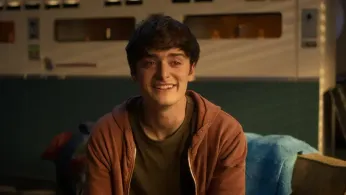
In a recent interview, Matt and Ross Duffer, the creators of the Netflix series Stranger Things, defended the controversial coming out scene featuring Will Byers in the penultimate episode of Season 5. Ross Duffer emphasized the scene's significance, stating, “The coming out scene is something we’ve been building to for nine years now. It was a really important scene for us, and a really important scene for Noah — not just from a thematic point of view, but also a narrative point of view.” The brothers highlighted how the moment ties into Will's character development, which has included subtle hints of his queer identity since Season 1, such as emotional sequences and references from his father in earlier seasons.
Will Byers, portrayed by Noah Schnapp, has been a central figure throughout the series, often depicted grappling with isolation and trauma linked to supernatural events. The Season 5 scene marks an explicit acknowledgment of his gay identity, framed by the Duffers as a culmination of thematic elements exploring vulnerability and self-acceptance. This development has resonated with many LGBTQ+ viewers who appreciate the representation of a character's journey toward authenticity, while others have criticized it as awkwardly integrated into the finale's high-stakes plot.
Variety's headline for the Duffer Brothers' interview—“Stranger Things Creators Defend Will’s Coming Out Scene and Confront Toxic Fan Review Bombing: ‘The Ultimate F— You to Vecna’”—has drawn scrutiny for injecting terms like "toxic fans" and "review bombing" not directly attributed to the creators. The article's framing positions the Duffers as actively confronting viewer backlash, despite their comments focusing on creative intent and Noah Schnapp's performance rather than fan criticism. This has fueled discussions about how entertainment media shapes public perception of LGBTQ+ storylines, with some outlets accused of amplifying division.
Season 5 overall received mixed reviews, with Will's arc cited as a flashpoint. Supporters note the scene's emotional depth, aligning with broader themes of personal power against adversity like Vecna's manipulations. Critics, however, argue it felt forced amid the show's declining intensity.
Adding to the conversation, Noah Schnapp, who identifies as gay and has been vocal about queer representation, described Will Byers' orientation as his "superpower" in an interview with co-star Jamie Campbell Bower, who plays Vecna. Schnapp framed the trait as a source of strength, tying into the scene's context where Vecna exploits personal traumas. This remark has sparked backlash, with a YouTuber labeling the storyline "LGBT propaganda" aimed at indoctrinating children, amplifying calls of discomfort with the narrative's inclusion in a show popular among younger audiences.
Schnapp's perspective underscores a positive view of queer identity as empowering, a sentiment echoed in LGBTQ+ communities celebrating visible gay characters in mainstream media. Yet, it has intensified polarized online reactions, with some fans praising the authenticity and others decrying it as "woke" overreach.
From an LGBTQ+ lens, Will Byers' arc represents meaningful progress in genre television, building on years of subtext to deliver an affirming moment for gay youth facing otherworldly and real-world challenges. Advocates highlight how such portrayals normalize diverse identities without reducing characters to stereotypes, fostering empathy among broad audiences. The Duffer Brothers' defense reinforces creator commitment to inclusive storytelling, countering narratives that dismiss queer content as agenda-driven.
However, the backlash illustrates ongoing tensions in media consumption, where queer representation can provoke review bombing and heated discourse on platforms like YouTube and social media. Transgender and non-binary viewers, alongside gay audiences, have shared appreciation for nuanced depictions that avoid tokenism, emphasizing Will's full character integration. Critics within the community note room for growth, such as deeper exploration of queer relationships beyond trauma.
As Stranger Things concludes, this controversy underscores the cultural impact of its final season, blending supernatural thrills with real conversations about identity. The Duffers' measured response prioritizes artistic vision, while media framing and actor insights continue to shape the dialogue.