4 hours ago
Corey Feldman Alleges That Late Friend And Co-Star Corey Haim Molested Him
READ TIME: 3 MIN.
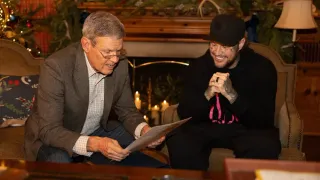
In a newly released documentary titled “Corey Feldman vs. The World,” actor Corey Feldman alleges that his late co-star and longtime friend Corey Haim molested him when both were teenagers working on the 1987 vampire film “The Lost Boys.” Feldman describes an incident on or around the production in which he says Haim initiated sexual activity, framing it as something “guys in the business do,” according to excerpts of Feldman’s on-camera account reported by Variety and USA TODAY.
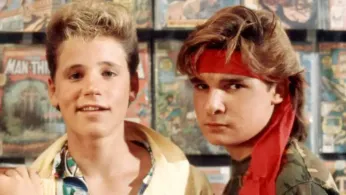
“The Lost Boys,” directed by Joel Schumacher and released by Warner Bros., helped cement Feldman and Haim’s status as teen stars and later cult icons, particularly among young audiences who related to the film’s blend of horror, rebellion, and queer-coded imagery. Feldman’s new allegation complicates the public memory of that collaboration and raises further questions about how child performers were protected—or failed to be protected—on major film sets in the 1980s.
Haim died in 2010 at age 38 after battling long-term health and substance use issues, and he is not able to respond to or contextualize Feldman’s account. Relatives of Haim have publicly disputed some past abuse narratives involving him, and reactions to Feldman’s latest allegation are still developing.
Feldman’s new documentary follows his 2020 film “My Truth: The Rape of 2 Coreys,” which he produced and in which he alleged that he and Haim were sexually abused as children and adolescents by multiple adult men connected to the entertainment industry. In that earlier film, Feldman accused several named individuals of abusing him or Haim, including actors and industry figures, and linked their experiences to a broader pattern of child exploitation in Hollywood.
The release of “My Truth: The Rape of 2 Coreys” was marked by technical disruptions that Feldman attributed to an attack on the streaming server, an incident that drew additional media attention and skepticism. Following that premiere, Feldman said he feared for his safety and temporarily left the United States.
According to coverage of “Corey Feldman vs. The World,” the new film revisits Feldman’s long-running efforts to expose abuse, documents his clashes with detractors, and frames his story as part of a wider struggle over who is believed when they disclose sexual violence in high-profile industries.
The public conversation around Feldman’s allegations overlaps with broader movements confronting harassment and assault in the entertainment industry, including #MeToo and campaigns focused on the vulnerability of child performers. Survivor advocates note that sexual abuse of children and adolescents can involve people of any gender and any sexual orientation, and that abuse is fundamentally about power and exploitation rather than identity, a point echoed in education materials from organizations such as the Rape, Abuse & Incest National Network .
LGBTQ+ organizations have repeatedly emphasized that consensual LGBTQ+ relationships must not be conflated with abuse, and that harmful stereotypes falsely linking queer and transgender people to predation have long been used to justify discrimination. Advocacy groups such as GLAAD and the Human Rights Campaign have urged media outlets to report on sexual abuse cases with precise language that distinguishes between sexual orientation or gender identity and the dynamics of coercion, age, and consent.
Because Feldman’s new allegation involves sexual contact between two male teenagers, some commentators have noted the importance of resisting narratives that mischaracterize all same-gender intimacy as suspect. Experts in child protection and LGBTQ+ health stress that the key issue is whether there was meaningful consent and whether structural power differences or industry pressures made it impossible for one young person to refuse.
Child-safety advocates and some industry professionals are using the renewed attention on Feldman’s story to call for stronger, enforceable protections for minors working in film and television. Groups focused on child performers have highlighted the need for independent child-welfare coordinators on set, comprehensive training for all crew and cast on abuse prevention, and clear, confidential reporting pathways for young people and their guardians.
Organizations that work at the intersection of youth protection and LGBTQ+ inclusion argue that reforms must account for the experiences of queer and transgender young people, who can face additional stigma and barriers to reporting harm. They advocate for trauma-informed responses that affirm a survivor’s identity, use respectful language, and avoid assuming that a survivor’s sexual orientation or gender identity is a cause or consequence of abuse.
As “Corey Feldman vs. The World” reaches audiences through festival and documentary circuits, its reception is likely to continue raising difficult questions about memory, accountability, and how Hollywood addresses the long-term impact of abuse disclosures—particularly when they involve deceased figures, entrenched power structures, and fan-beloved films like “The Lost Boys.”