Aug 29
Seattle’s Changing Nightlife Scene and What It Means for Queer Spaces
READ TIME: 5 MIN.
Seattle’s nightlife has been through a major transformation in recent years. Known once for its underground music clubs and gritty venues, the city now offers a more diverse mix of entertainment options. These changes reflect a broader evolution in the ways communities interact socially. For LGBTQ+ residents in particular, the effects of this shift are especially profound.
As new social norms emerge and cultural preferences evolve, traditional gathering places face new pressures. Seattle’s queer nightlife, long rooted in community resilience and activism, must now find ways to thrive within an increasingly commercialised and digitally-driven environment.
New Social Norms and the Rise of Digital Companionship
The way people connect has shifted dramatically. While bars and nightclubs remain part of the social experience, many now seek connection through alternative platforms. Whether planning a night out or looking to spend time with someone new, Seattle residents often turn to curated online services to complement their social lives. Many users prefer to connect with verified Seattle escorts online to ensure safe, respectful, and mutually understood arrangements.
This move toward digital interaction is not only about convenience. It also stems from a desire for safety, privacy, and assurance, especially for LGBTQ+ individuals who may feel vulnerable in unfamiliar or unpredictable settings. These platforms offer curated and controlled interactions, which are increasingly appealing in a nightlife landscape marked by rapid change.
The Evolution of Seattle’s Queer Nightlife
Seattle’s LGBTQ+ nightlife has deep historical roots . From the 1970s onwards, neighbourhoods like Capitol Hill have been home to welcoming venues where self-expression flourished. Bars like Neighbours Nightclub offered more than just entertainment, they were spaces for identity, community, and support.
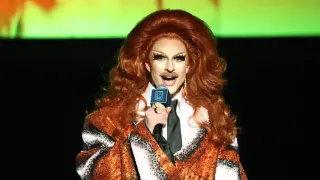
As the decades passed, venues such as Re-bar and R Place became central to the queer experience in Seattle. They provided places for both celebration and activism. Over time, programming expanded to include drag shows, lesbian nights, and events designed for trans and non-binary attendees.
More recently, rising rents and redevelopment have taken a toll. The closure of R Place and The Eagle marked the end of an era. Pandemic-related shutdowns only accelerated this decline. Now, many historic queer spaces are gone, and those that remain are adjusting to a very different social environment.
Demographic Shifts and Cultural Change
Seattle’s growth as a tech hub has brought in a wave of new residents. This influx has shifted cultural priorities and social habits. With it has come pressure on existing LGBTQ+ venues to evolve or risk disappearing.
Capitol Hill, once the city’s queer centre, now reflects a mix of influences. Some landmarks remain, but others have given way to luxury developments. In their place, visible symbols, such as rainbow crosswalks, serve as reminders of the area’s LGBTQ+ roots.
Temporary queer events have become a common response. Pop-up nights hosted in straight venues help reclaim space, even if only for an evening. These events attract younger LGBTQ+ residents who seek inclusive experiences that reflect their intersectional identities.
Online Spaces Complement Physical Venues
Physical spaces remain vital for building community. In-person gatherings still offer irreplaceable benefits—spontaneous interaction, shared cultural expression, and political organising.
Yet digital platforms are no longer just optional add-ons. They provide essential support, particularly for queer people with limited mobility, safety concerns, or geographic isolation. Online communities offer resources for those navigating gender identity, mental health, and discrimination.
For many, a combination of physical and digital spaces provides the best of both worlds. Nightlife may start with an event in Capitol Hill and continue with online discussion or networking long after the party ends.
Safety and Nightlife Culture
Safety remains a serious concern. Despite Seattle’s progressive image, LGBTQ+ people still face threats ranging from harassment to physical violence. Incidents near clubs have prompted action from city officials and business owners alike.
New regulations now require enhanced security for late-night establishments. Venue owners have adopted policies that prioritise patron wellbeing. Staff training, de-escalation practices, and anonymous reporting tools are becoming standard features in many queer-friendly spaces.
Transport initiatives also support safety. Rideshare partnerships and community-organised carpools ensure safe travel, especially for those attending events late into the evening.
These efforts are not just reactive; they’re also about creating a culture of mutual care . The city’s LGBTQ+ community is proactive in supporting safe, inclusive experiences that reflect shared values.
Innovation in Inclusive Venue Design
As traditional business models falter, many queer venues are shifting to multipurpose formats. Kremwerk, for instance, combines live performance with club nights and gallery-style events. These hybrids are more sustainable and better suited to the diverse interests of Seattle’s LGBTQ+ community.
Alcohol-free events are becoming more common, reflecting growing interest in inclusive entertainment that doesn’t centre on drinking. These options help ensure that people in recovery, or those who simply prefer sober spaces, still have a place in the scene.
Venues are also improving accessibility through physical upgrades and thoughtful programming. From gender-neutral restrooms to sensory-friendly environments, small changes are helping create spaces where everyone feels welcome.
Championing LGBTQ+ Ownership and Support
Queer-owned venues play a central role in maintaining community connection. Supporting these businesses is a simple yet meaningful way to preserve the culture and identity of Seattle’s LGBTQ+ scene.
The Wildrose, one of the country’s longest-running lesbian bars, remains a beacon of resilience. Venues like Queer/Bar continue to prioritise LGBTQ+ hiring, diverse line-ups, and events that give back to the community.
There’s also a growing emphasis on collaboration. Initiatives like the Queer Capitol Hill Business Alliance encourage patrons to support multiple venues and recognise the historical and cultural significance of these spaces.
Local support matters. Whether it’s attending a drag show, tipping performers, or buying from queer-run vendors, each action contributes to a stronger, more visible presence in the city’s evolving landscape.
Preserving Identity Through Innovation
Seattle’s queer nightlife is not disappearing; it’s changing. As old venues close, new spaces and experiences rise in their place. What connects them is a commitment to inclusivity, community, and joy.
Adaptability is key. Queer spaces that integrate art, activism, and entertainment will continue to thrive. The blending of online and offline experiences offers exciting possibilities for connection, safety, and cultural expression.
Seattle remains a city where LGBTQ+ communities can flourish, if supported with intention and action. Protecting these spaces means recognising their value and helping them evolve with dignity and purpose.
Keep Seattle Queer: Show Up and Support
The future of Seattle’s queer nightlife depends on those who show up. Attend the events, support the businesses, respect the venues, and engage with the community. These small actions preserve culture, create safety, and ensure visibility.
Whether you’re a longtime resident or a visitor discovering the city for the first time, you’re part of the story. Support queer spaces, amplify queer voices, and help keep Seattle’s nightlife inclusive and alive for generations to come.